Skip to content
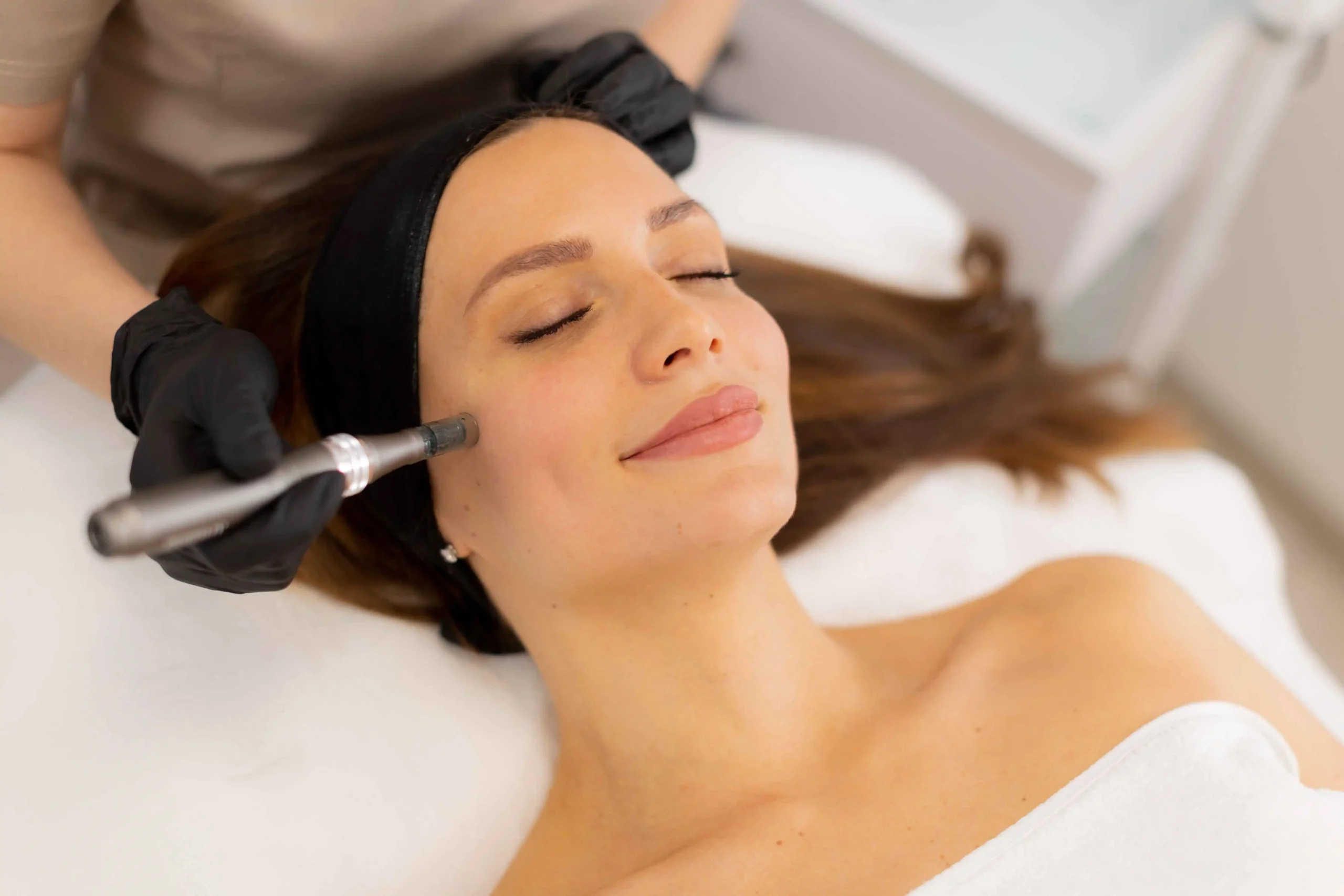
Table of Contents
If you are curious about PRP or PRF microneedling but feel unsure about its safety, that makes sense. The treatment involves both microneedling and platelet-based therapy from your own blood, so it is natural to want clear answers before booking.
At U Beauty Med Clinic in Midvale, UT, PRP and PRF microneedling are offered to support skin texture, tone, collagen activity, and overall skin quality. The short answer is yes, PRP microneedling is safe for many patients when performed by trained providers using proper technique, sterile tools, and appropriate screening.
How risky are PRP and PRF microneedling treatments?
PRP and PRF microneedling are considered low-risk cosmetic treatments for many healthy adults when performed by trained providers using sterile equipment and proper technique. Temporary redness, swelling, dryness, sensitivity, or mild pinpoint bleeding can happen after treatment, but these reactions usually improve within a few days. A consultation is important because your provider should review your skin condition, medical history, medications, and healing concerns before deciding if PRP or PRF microneedling is appropriate for you.

What Makes PRP Microneedling Different From Standard Microneedling?
Standard microneedling uses tiny, controlled microchannels in the skin to encourage the body’s natural repair process. PRP or PRF microneedling takes that treatment a step further by adding platelet-based therapy during the session.
PRP stands for platelet-rich plasma. PRF stands for platelet-rich fibrin. Both are created from a small sample of your own blood, which is processed to separate the platelet-rich portion. These platelets contain growth factors that may support tissue repair, cellular activity, and collagen production.
At U Beauty Med Clinic, PRP and PRF microneedling may be used on areas such as the:
- Face
- Neck
- Chest or décolletage
PRF is slightly different from PRP because it includes a fibrin matrix, which gradually releases growth factors over time. This is why some patients ask, “Is PRF microneedling safe compared with PRP?. In general, both treatments can be safe for appropriate candidates, but they still need to be performed with careful blood handling, skin preparation, and aftercare.
Is PRP Microneedling Safe for Most People?
For many healthy adults, PRP or PRF microneedling is considered a safe, minimally invasive skin treatment. The most important part of PRP microneedling safety is how the treatment is planned and performed.
A safe experience starts with a consultation. Your provider should review your skin concerns, medical history, current medications, skin sensitivity, and whether PRP or PRF is the better option for your goals. At U Beauty Med Clinic, the process includes a skin assessment before treatment to help determine if it is appropriate for your plan.
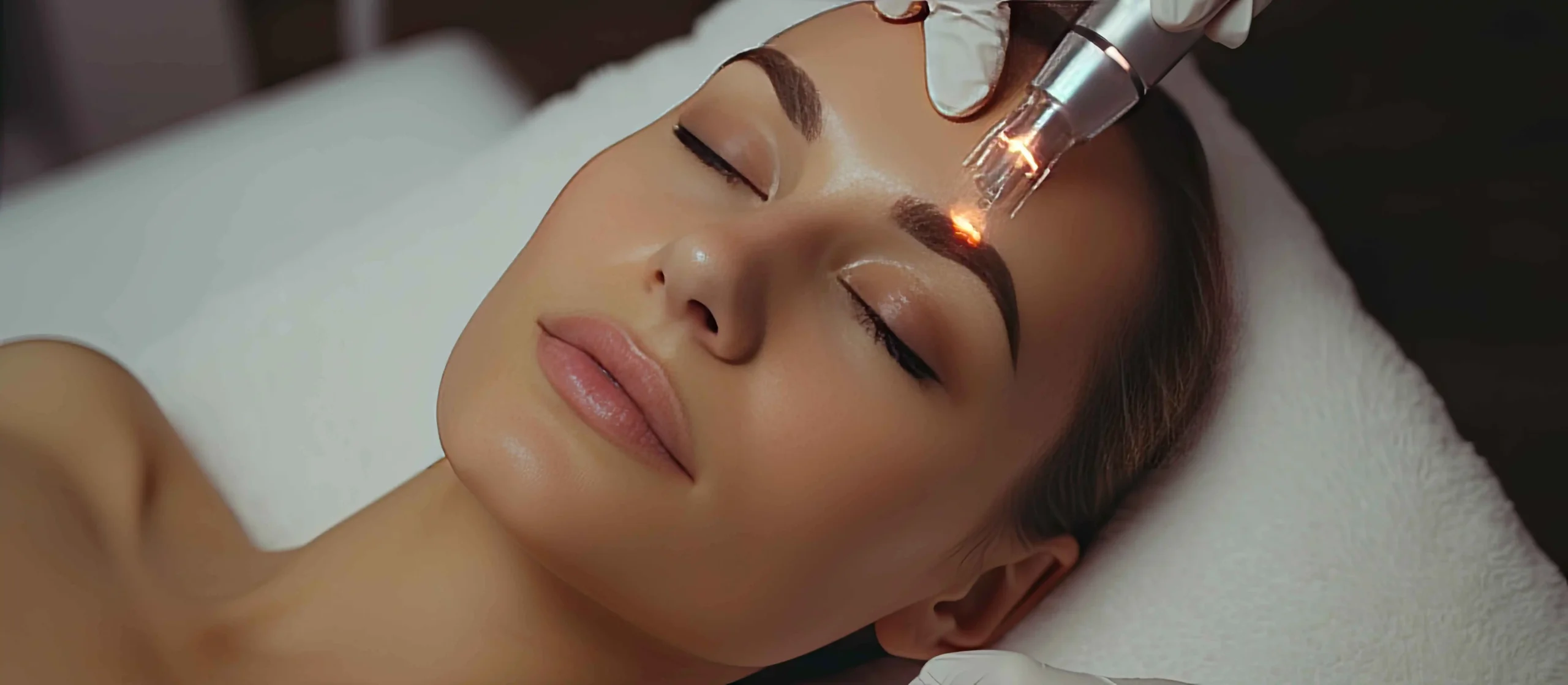
During treatment, the skin is cleansed, a topical numbing cream may be applied for comfort, and a small blood sample is collected and processed. Microneedling is then performed to create controlled microchannels, and the platelet solution is applied to support the skin’s regenerative response.
Normal reactions can include redness, mild swelling, sensitivity, and a warm or tight feeling in the skin. These are expected for many patients and usually improve as the skin heals.
Common Side Effects After PRP Microneedling
Most PRP microneedling side effects are temporary and connected to the skin’s natural healing response. Since microneedling creates controlled micro-injuries, the skin may look and feel irritated for a short period.
Common side effects may include:
- Redness that looks similar to a sunburn
- Mild swelling or tenderness
- Dryness, flaking, or tightness
- Pinpoint bleeding right after treatment
- Temporary sensitivity to skincare products or sun exposure
These reactions are usually most noticeable during the first 24 to 72 hours. Some people calm down quickly, while others may need a few extra days for the skin to look more settled.
You should contact your provider if you notice worsening redness, increasing pain, pus, unusual swelling, fever, or symptoms that do not seem to be improving. Those are not typical healing responses and should be checked.
Who May Need to Avoid PRP Microneedling?
PRP and PRF microneedling are not right for everyone. This is why a consultation matters before treatment, even if the service sounds like a good fit.
You may need to delay or avoid treatment if you have:
- Active acne breakouts, open wounds, or skin infections in the treatment area
- A history of poor wound healing or keloid scarring
- Certain blood disorders or clotting concerns
- Medical conditions that affect healing
- Recent use of medications that may increase bruising or bleeding
- Pregnancy or breastfeeding, depending on provider guidance
Can PRP Microneedling Cause Infection or Skin Damage?
Any treatment that creates openings in the skin carries some risk of infection if it is not performed or cared for properly. With PRP and PRF microneedling, that risk is reduced when sterile tools, proper skin cleansing, and safe blood processing are used.
This is also why professional treatment is very different from at-home microneedling. At-home devices may be too shallow to be useful, too aggressive for the skin, or difficult to sanitize correctly. When blood-based platelet therapy is involved, professional handling becomes even more important.
Skin damage is also more likely when microneedling is performed at the wrong depth, used over irritated skin, or followed by harsh skincare too soon. Proper aftercare helps protect the skin while it repairs itself.
What Does Recovery Usually Look Like?
Knowing what to expect after PRP microneedling can make the experience feel less intimidating. Right after your appointment, your skin may look red, flushed, or slightly swollen. Some patients describe it as feeling warm, tight, or sensitive.
At U Beauty Med Clinic, many individuals return to regular daily activities shortly after treatment, but your skin still needs care. For the first day or two, your provider may recommend avoiding makeup, intense workouts, excessive heat, saunas, direct sun exposure, and strong active skincare ingredients.
This may include pausing products with retinoids, exfoliating acids, or harsh scrubs until your provider says your skin is ready. Sunscreen is especially important because freshly treated skin can be more sensitive to UV exposure.
Most visible irritation improves within a few days, although deeper skin renewal takes longer. The goal is not instant perfection. The treatment is designed to support the skin’s natural repair process over time.
Questions To Ask Before Booking PRP Microneedling
Before booking, it is completely okay to ask questions. A good provider should want you to feel informed, not rushed.
Helpful questions include:
- Am I a good candidate for PRP or PRF microneedling?
- Who will perform my treatment?
- How is the PRP or PRF prepared?
- What side effects should I expect with my skin type?
- What should I avoid before and after treatment?
- How long does the appointment usually take?
At U Beauty Med Clinic, PRP or PRF microneedling sessions typically include consultation, blood collection, platelet preparation, microneedling, and recovery guidance. Most sessions take about 45 to 60 minutes, depending on the treatment area and preparation steps.
Take The Next Step Toward Healthier-Looking Skin
PRP and PRF microneedling can be safe, effective options for many patients who want to support smoother texture, healthier-looking skin, and natural collagen activity without surgery. The key is proper screening, experienced care, sterile technique, and following your aftercare instructions closely. If you are considering PRP or PRF microneedling in Midvale, UT, contact us to book a consultation with U Beauty Med Clinic so we can review your skin, answer your questions, and help you decide whether this treatment is the right fit for you.